Tooth Enamel Is the Hardest Substance in Your Body — But It Cannot Repair Itself Without Help
Tooth enamel is 96% mineral — primarily hydroxyapatite crystals made of calcium and phosphorus. It is harder than bone, harder than steel in some measures, yet it faces constant attack from dietary acids, bacterial metabolites, and mechanical wear. According to the Journal of the American Dental Association, over 12% of adults suffer from clinically significant enamel erosion, with rates rising due to increased acidic beverage consumption.
The critical fact most people do not understand: enamel does not contain living cells and cannot regenerate once fully lost. However, weakened enamel in the early stages of demineralization can be strengthened through remineralization — the natural process where calcium and phosphate ions redeposit into the crystal lattice. This guide covers the science of remineralization and the proven strategies to maximize it — from dietary changes to the mineral supplement formula that 43,000+ users trust to deliver calcium where enamel needs it most.

Understanding Enamel: Demineralization vs. Remineralization
Every day, your enamel undergoes a constant tug-of-war between mineral loss (demineralization) and mineral rebuilding (remineralization). Understanding this cycle is the key to naturally strengthening your teeth.
How Demineralization Damages Enamel
When oral pH drops below 5.5, acids dissolve calcium and phosphate from the enamel crystal structure. This happens every time you eat or drink anything acidic — from orange juice (pH 3.5) to coffee (pH 5.0) to soda (pH 2.5). Bacteria like S. mutans also produce lactic acid when they metabolize sugar. Each acid attack lasts 20-30 minutes, during which enamel actively loses minerals. Frequent snacking means continuous demineralization with minimal recovery time.
How Remineralization Rebuilds Enamel
Between acid attacks, saliva naturally delivers calcium and phosphate ions back to the enamel surface where they reintegrate into the crystal lattice. Fluoride enhances this process by forming fluorapatite — a harder, more acid-resistant crystal than natural hydroxyapatite. However, remineralization only works when (1) saliva contains adequate minerals, (2) oral pH is above 5.5, and (3) there is sufficient time between acid exposures for repair to occur.
The Tipping Point: When Erosion Becomes Irreversible
Early demineralization creates white spot lesions — areas where enamel has lost minerals but the crystal framework remains intact. At this stage, remineralization can fully restore enamel strength. Once demineralization progresses to actual cavitation (a hole in the enamel), the damage is irreversible and requires dental restoration. This is why early intervention with mineral support is critical — catching enamel weakness before it becomes permanent damage.
The Role of Saliva in Enamel Protection
Saliva is your enamel's primary defense system. It contains bicarbonate to neutralize acids, calcium and phosphate for remineralization, and antimicrobial proteins that control bacterial growth. Average adults produce 0.5-1.5 liters daily. Dry mouth conditions reduce saliva flow, dramatically accelerating enamel erosion. Dehydration, certain medications, mouth breathing, and aging all reduce saliva production — making internal mineral supplementation even more important.
Why Internal Mineral Supply Matters
Saliva can only deliver minerals that are available in your bloodstream. If your dietary calcium, phosphorus, or vitamin D intake is inadequate, saliva cannot effectively remineralize enamel — no matter how much fluoride you use topically. A 2020 study in the Archives of Oral Biology found that systemic calcium supplementation significantly improved salivary mineral concentration, directly enhancing the body's natural remineralization capacity.
The Absorption Problem: Most Calcium Never Reaches Your Teeth
Even with adequate dietary calcium, absorption rates vary from 5% (spinach) to 32% (dairy). Without vitamin D, only 10-15% of supplemental calcium is absorbed. This is why DentiCore includes boron citrate complex (improves calcium retention by 44%) and shilajit extract (increases cellular mineral delivery) — ensuring the calcium you take actually reaches the enamel tissue that needs it rather than being excreted unused.

The 3 Biggest Threats to Your Tooth Enamel
Protecting enamel starts with understanding what destroys it. These three factors cause the most enamel damage — and most people engage in at least one daily without realizing it.
Acidic Foods and Beverages
Soda (pH 2.5), sports drinks (pH 3.0), citrus juice (pH 3.5), wine (pH 3.5), and even sparkling water (pH 3.0-4.0) all erode enamel on contact. A single can of soda triggers 20 minutes of active demineralization. Sipping acidic drinks throughout the day creates continuous acid exposure with zero recovery time. Drinking through a straw, rinsing with water after acidic foods, and waiting 30 minutes before brushing can reduce damage significantly.
Sugar-Fed Bacterial Acid Production
Streptococcus mutans converts sugar into lactic acid directly on the enamel surface. Every sugary snack or drink triggers an acid attack lasting 20-30 minutes. Frequent snacking means teeth are bathed in acid for hours daily. The WHO confirms that keeping sugar below 10% of calories reduces cavities by 50%. Controlling sugar intake is the single most impactful dietary change for enamel preservation.
Abrasive Brushing and Teeth Grinding
Hard-bristled toothbrushes and aggressive brushing technique physically scrape enamel — especially immediately after acid exposure when enamel is softened. The Relative Dentin Abrasivity (RDA) of some whitening toothpastes exceeds safe thresholds. Bruxism (teeth grinding) during sleep can generate forces exceeding 250 pounds per square inch, fracturing and wearing enamel at accelerated rates. Use soft bristles and treat grinding with a night guard.
Choice
DentiCore — The #1 Supplement for Natural Enamel Strengthening in 2026
For enamel support through internal mineral delivery, DentiCore stands alone with calcium, boron citrate complex (44% better calcium retention), and shilajit extract (cellular-level mineral delivery) in a single formula. Combined with iodine for bacterial control, copper for gum support, and chlorophyllin for detoxification, it addresses enamel protection from every angle. Rated 4.8/5 by 43,000+ users with a 60-day money-back guarantee.
How DentiCore's Ingredients Support Enamel Remineralization
DentiCore's 8-ingredient formula is specifically designed to support the natural remineralization process from the inside out — delivering the minerals enamel needs along with compounds that maximize their absorption and effectiveness.

Calcium
Enamel Role: The primary mineral in hydroxyapatite — the crystal structure that gives enamel its hardness. Supplemental calcium increases salivary calcium concentration, directly supporting remineralization. The Journal of Dental Research confirms adequate calcium reduces cavity risk by up to 40%. DentiCore delivers calcium alongside absorption enhancers to maximize enamel deposition.
500-1000mg daily
Boron Citrate Complex
Enamel Role: Boron improves calcium retention by up to 44% — meaning significantly more supplemental calcium reaches enamel tissue. It also reduces inflammatory biomarkers that contribute to the periodontal inflammation which accelerates bone and enamel loss. Boron is the critical absorption co-factor that most calcium-only supplements completely lack.
3-6mg daily
Shilajit Extract
Enamel Role: Contains fulvic acid — nature's most potent bioavailability enhancer. Fulvic acid increases cell membrane permeability, ensuring calcium and other minerals are transported to tooth tissue at the cellular level. It also provides 85+ trace minerals and antioxidant protection. This is the delivery system that makes DentiCore's minerals reach enamel effectively.
250-500mg daily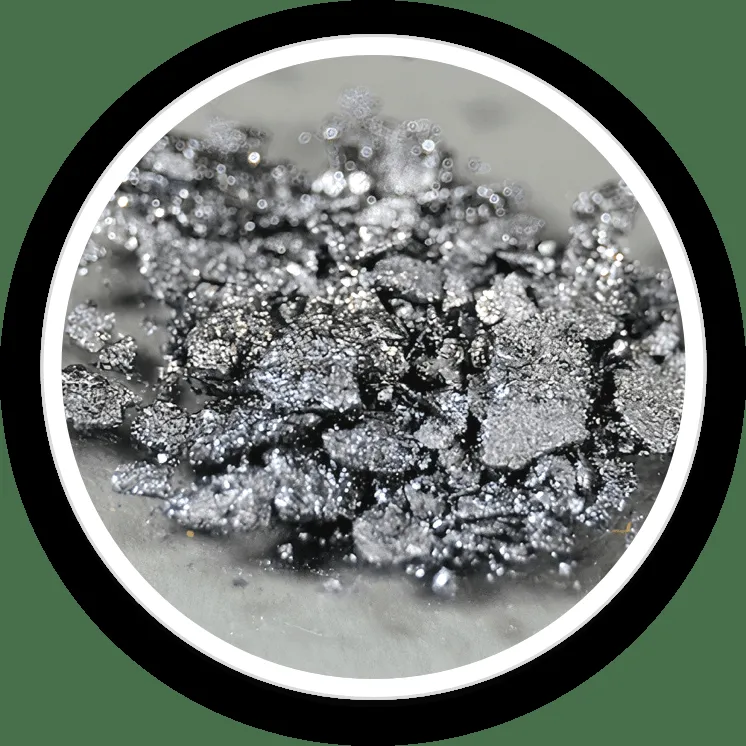
Iodine
Enamel Role: Reduces S. mutans colonies by 60-80%, directly decreasing the bacterial acid production that causes demineralization. By controlling the bacterial source of acid attacks, iodine gives remineralization more uninterrupted time to rebuild weakened enamel. It works alongside your fluoride toothpaste for comprehensive acid protection.
150-300mcg daily
Chromium
Enamel Role: Controls blood sugar that feeds acid-producing bacteria. Elevated glucose in saliva provides fuel for S. mutans to produce more lactic acid, accelerating enamel demineralization. Chromium's insulin-sensitizing effect reduces salivary glucose, starving bacteria of their primary energy source and reducing the frequency and intensity of acid attacks on enamel.
200-400mcg daily
Copper
Enamel Role: While copper primarily supports gum tissue through collagen cross-linking, healthy gums are essential for enamel protection. Receding gums expose tooth roots (which lack enamel) to acid attack. By maintaining gum integrity, copper indirectly protects the enamel-root junction — a common site of erosion in adults with periodontal disease.
0.5-2mg daily
Chlorella Vulgaris
Enamel Role: Chelates heavy metals (mercury, lead, cadmium) that accumulate in oral tissues and interfere with remineralization processes. Heavy metal contamination has been shown to disrupt calcium metabolism and reduce salivary mineral content. Removing these toxins creates a cleaner environment for enamel repair.
1-3g daily
Chlorophyllin
Enamel Role: Provides antioxidant protection to oral tissues and neutralizes volatile sulfur compounds. Its detoxification properties complement chlorella's heavy metal chelation, creating an optimally clean oral environment for the remineralization process. Also reduces halitosis by up to 70% — an added benefit for overall oral wellness.
100-300mg daily💡 Key Takeaway
Natural enamel strengthening requires a two-part strategy: (1) reducing acid attacks through diet, bacterial control, and sugar limitation, and (2) maximizing mineral delivery for remineralization through calcium supplementation with proper absorption co-factors. DentiCore addresses both sides — controlling acid-producing bacteria with iodine while delivering calcium with boron and shilajit for maximum enamel deposition. It is the most comprehensive enamel support formula available in 2026.
Support Your Enamel's Natural Remineralization From the Inside
- Calcium + boron citrate for 44% better retention
- Shilajit extract for cellular-level mineral delivery
- Iodine to reduce acid-producing bacteria by 60-80%
- GMP-certified, FDA-registered US manufacturing
- 43,000+ verified users with 4.8/5 average rating


7 Practical Habits to Strengthen Enamel Every Day
Beyond supplementation, these daily habits work with your body's natural remineralization process to protect and strengthen enamel over time.
Stay Hydrated and Stimulate Saliva
Drink at least 8 glasses of water daily to support saliva production — your enamel's natural repair system. Chew sugar-free xylitol gum after meals to stimulate additional saliva flow. Eat crunchy vegetables like celery and carrots that mechanically stimulate saliva glands. Avoid chronic mouth breathing, which dries oral tissues and halts remineralization.
Choose Enamel-Building Foods
Prioritize cheese (raises oral pH and delivers calcium directly), yogurt (calcium + probiotics), leafy greens (calcium + minerals), almonds (calcium + phosphorus), and fatty fish (vitamin D for absorption). Finish meals with a piece of cheese to neutralize acids and begin immediate remineralization. Eat mineral-rich foods at every meal to maintain consistent salivary mineral levels.
Time Your Brushing and Limit Acid Exposure
Wait 30 minutes after acidic foods before brushing. Drink acidic beverages through a straw to minimize enamel contact. Rinse with plain water immediately after acidic drinks. Limit snacking to reduce the number of daily acid attacks — each snack triggers 20-30 minutes of demineralization. Consolidate eating into defined meals with recovery periods between them.
What Real Users Say About DentiCore

"My dentist told me my enamel was thinning and I needed to take action. I started DentiCore along with dietary changes and within 3 months, my sensitivity to cold drinks had decreased significantly. At my next checkup, my dentist said the enamel readings were stable — no further thinning. I wish I had started this sooner."

"Years of drinking coffee and citrus smoothies had taken a toll on my enamel. I was getting sensitivity with every cold or hot food. I tried sensitive toothpaste for a year with minimal results. After 2 months on DentiCore, the sensitivity dropped dramatically. The mineral approach from the inside clearly works better than topical solutions alone."

"As a 54-year-old with acid reflux, my enamel has been under attack for years. My dentist recommended calcium supplementation but regular calcium pills did nothing. DentiCore's formula with the absorption enhancers was the game changer. Four months in, my enamel measurements have stabilized and my sensitivity is manageable for the first time in a decade."
Frequently Asked Questions
Can you naturally strengthen tooth enamel?
+Yes. While fully eroded enamel cannot regenerate, weakened and demineralized enamel can be strengthened through remineralization — the natural process where calcium and phosphate ions redeposit into the enamel crystal structure. You can support this process by maintaining adequate calcium and phosphorus intake, ensuring sufficient vitamin D for absorption, using fluoride toothpaste, stimulating saliva production, avoiding acidic foods and drinks, and taking a targeted mineral supplement like DentiCore with built-in absorption enhancers.
What causes tooth enamel erosion?
+Enamel erosion results from three main acid sources: (1) dietary acids from citrus, soda, wine, vinegar, and sparkling water, (2) bacterial acids produced when S. mutans metabolizes sugar into lactic acid, and (3) stomach acid from gastric reflux (GERD) or frequent vomiting. Additional contributing factors include abrasive brushing with hard bristles, teeth grinding (bruxism), dry mouth conditions, and nutritional deficiencies in calcium, phosphorus, and vitamin D that impair remineralization capacity.
How does remineralization work?
+Remineralization occurs when calcium and phosphate ions dissolved in saliva redeposit into weakened areas of the enamel crystal lattice. When oral pH rises above 5.5 after an acid attack, these minerals naturally settle back into the hydroxyapatite structure. Fluoride enhances this by forming fluorapatite — a harder, more acid-resistant crystal. The process requires adequate mineral availability in saliva (supported by diet and supplementation), sufficient saliva flow, and adequate recovery time between acid exposures.
What foods strengthen tooth enamel?
+The best enamel-strengthening foods include dairy products like cheese and yogurt (calcium, casein, phosphorus), leafy greens like spinach and kale (calcium, folate), almonds and Brazil nuts (calcium, phosphorus), fatty fish like salmon (vitamin D for calcium absorption), celery and carrots (stimulate saliva production), and green tea (antimicrobial catechins and natural fluoride). Cheese is particularly effective as it raises oral pH and delivers calcium directly to enamel surfaces.
Does calcium supplementation help tooth enamel?
+Yes. Research in the Journal of Dental Research shows adequate calcium supplementation reduces cavity risk by up to 40% by providing the raw material for enamel remineralization. However, calcium absorption depends on co-factors like vitamin D, boron, and phosphorus. DentiCore includes calcium alongside boron citrate complex (44% better calcium retention) and shilajit extract (cellular mineral delivery), ensuring the calcium actually reaches tooth tissue. This is why DentiCore outperforms standalone calcium supplements for enamel support.
How long does enamel remineralization take?
+Sensitivity improvements from enhanced remineralization can appear within a few weeks of consistent supplementation and dietary changes. Visible improvement in white spot lesions may take several months. Significant measurable enamel strengthening typically requires 8-12 weeks of consistent mineral supplementation, proper diet, and acid avoidance. The 6-bottle DentiCore package provides a full 3-month supply for optimal remineralization results at the best per-bottle price.
Related Articles

Give Your Enamel the Mineral Support It Needs to Rebuild and Resist
Your enamel is under constant acid attack. Give it the building blocks it needs to fight back. DentiCore delivers calcium with enhanced absorption technology, bacterial acid reduction, and systemic detoxification — the most comprehensive enamel support available in 2026. Join 43,000+ customers who chose to protect their enamel from the inside out. Risk-free with a 60-day money-back guarantee.