Are You Tired of Sensitive Teeth and Worrying About Cavities?
Maintaining strong tooth enamel is crucial for lifelong oral health. It's the hardest substance in your body, but it's constantly under attack from acids and bacteria, leading to demineralization, sensitivity, and eventually, tooth decay. Many people believe enamel loss is irreversible, but with the right natural approaches, you can significantly support your body's ability to remineralize and strengthen your teeth.
This comprehensive guide will explore effective strategies to naturally restore your tooth enamel, focusing on crucial dietary choices, essential supplements, and daily habits. We'll delve into how these elements work synergistically to create a healthy oral environment, promoting natural tooth repair and resilience against common dental issues like tooth decay and gum disease.

Understanding Tooth Enamel and Demineralization
Your tooth enamel is the outermost layer of your teeth, acting as a crucial shield against physical and chemical damage. Despite being the hardest substance in your body, it is not impervious to harm.
Enamel is primarily composed of mineral crystals, mainly hydroxyapatite. When your mouth becomes acidic – often due to sugary foods, acidic drinks, or bacterial activity – these acids begin to dissolve the mineral content from your enamel. This process is called demineralization. Over time, consistent demineralization without adequate repair leads to weakened enamel, making your teeth susceptible to sensitivity, discoloration, and eventually, the formation of cavities. Understanding this delicate balance between demineralization and remineralization is the first step toward safeguarding your oral health.
The good news is that your body has a natural defense mechanism: remineralization. This is the process where minerals, primarily calcium and phosphate ions from your saliva, are redeposited onto the enamel surface, repairing microscopic lesions and strengthening the tooth structure. This continuous cycle is essential for maintaining dental integrity and preventing widespread dental issues like tooth decay and gum disease. By supporting this natural repair process, we can actively work towards stronger, healthier teeth.
💡 Key Takeaway
Tooth enamel is constantly undergoing demineralization and remineralization. By adopting specific dietary, supplemental, and lifestyle habits, you can significantly enhance your body's ability to naturally repair and strengthen your enamel, preventing decay and sensitivity.
The Science Behind Natural Remineralization
Remineralization isn't magic; it's a sophisticated biological process heavily reliant on the presence of specific minerals and optimal oral conditions.
The primary player in natural remineralization is your saliva. Healthy saliva is rich in calcium, phosphate, and other trace minerals. When the pH in your mouth returns to neutral after an acid attack, these minerals in your saliva are redeposited onto the enamel surface, helping to repair the crystal structure. This process is crucial for reversing early enamel lesions before they progress into full-blown cavities. Furthermore, proteins in saliva, such as statherin and proline-rich proteins, help maintain a supersaturated state of calcium and phosphate, ensuring these minerals are readily available for enamel repair.
Beyond saliva, the body's overall nutritional status plays a pivotal role. Adequate intake of certain vitamins and minerals is essential for both the composition of saliva and the health of the underlying tooth structure. For instance, Vitamin D is critical for calcium absorption from the gut, making it available for saliva production and bone health. Vitamin K2 helps direct calcium to the appropriate tissues, including teeth and bones, preventing its deposition in soft tissues. Without these crucial nutritional cofactors, even a mineral-rich diet might not be fully effective in supporting robust remineralization. This holistic approach ensures that your body has all the tools it needs to keep your enamel strong and resilient.
Pillar 1: Dietary Strategies for Enamel Health
What you eat and drink has a profound impact on your dental health, either supporting or hindering the natural remineralization process. A balanced, nutrient-dense diet is fundamental.
Increase Calcium-Rich Foods
Calcium is the primary mineral component of enamel. Incorporate dairy products like milk, cheese, and yogurt into your diet. For those avoiding dairy, leafy green vegetables (kale, spinach, broccoli), fortified plant-based milks, and sardines are excellent alternatives. Aim for consistent intake to ensure a steady supply of this essential mineral.
Boost Phosphorus Intake
Phosphorus works synergistically with calcium to build strong enamel. Good sources include meat, fish (especially salmon and cod), eggs, nuts, legumes, and whole grains. Ensuring adequate levels of phosphorus helps to stabilize calcium within the tooth structure, making it more resistant to acid attacks. A balanced diet often provides sufficient phosphorus.
Prioritize Vitamin D and K2
These fat-soluble vitamins are critical for calcium metabolism. Vitamin D facilitates calcium absorption from the gut, while Vitamin K2 directs calcium to your bones and teeth, preventing it from accumulating in soft tissues. Sunlight exposure is a key source of Vitamin D, along with fatty fish. Vitamin K2 can be found in grass-fed dairy, fermented foods like natto, and certain animal products. A deficiency in either can impair remineralization, even with sufficient calcium intake.
Include Magnesium-Rich Foods
Magnesium plays a crucial role in bone and tooth formation and helps regulate calcium and Vitamin D levels. Incorporate foods like leafy green vegetables, nuts (almonds, cashews), seeds (pumpkin, chia), legumes, and whole grains. Magnesium deficiency can disrupt the delicate mineral balance needed for effective enamel repair and overall dental health.
Limit Sugary and Acidic Foods/Drinks
Sugars feed harmful bacteria that produce acids, leading to demineralization. Acidic foods and drinks (sodas, fruit juices, citrus fruits) directly erode enamel. Reduce your consumption of these items and rinse your mouth with water after consuming them. Opt for water as your primary beverage and choose whole, unprocessed foods to minimize acid attacks.
Chew Xylitol Gum
Xylitol is a natural sweetener that has been shown to reduce harmful bacteria in the mouth, stimulate saliva flow, and help neutralize acids. Chewing xylitol gum after meals can contribute to a more alkaline oral environment, promoting remineralization and reducing the risk of cavities. Ensure the gum is 100% xylitol for maximum benefit.

Pillar 2: Targeted Supplementation for Enamel Support
While a healthy diet forms the bedrock of remineralization, modern diets and individual needs can sometimes leave nutritional gaps. Targeted supplementation can bridge these gaps, providing concentrated support for your enamel.
Supplements can deliver essential vitamins and minerals directly to support the body's natural processes. For instance, even with a calcium-rich diet, if your Vitamin D levels are low, your body won't effectively absorb that calcium. Similarly, trace minerals, often scarce in depleted soils, are crucial cofactors for various enzymatic reactions involved in tissue repair and maintenance. When considering supplements, it's vital to choose high-quality products that offer bioavailable forms of nutrients to ensure maximum effectiveness. This is where comprehensive formulations become particularly valuable.
A well-formulated dental health supplement can offer a synergistic blend of ingredients that work together to create an optimal environment for enamel repair. Beyond just calcium and phosphorus, ingredients that support a healthy oral microbiome, reduce inflammation, and aid in detoxification can also indirectly contribute to stronger enamel. For a deeper dive into how different supplements compare, you might find our article on DentiCore vs. Other Dental Supplements: A Comparison informative. Such supplements can be a powerful addition to your daily routine, especially if you're actively working to reverse early signs of demineralization or prevent future decay.
DentiCore: A Natural Approach to Dental Wellness
DentiCore is a dietary supplement formulated with a blend of natural ingredients designed to support overall dental health, including the remineralization process and protection against common oral issues. It aims to provide comprehensive support for your teeth and gums.

Calcium
Role: The primary mineral building block of tooth enamel and bones. Essential for strengthening teeth and preventing demineralization.
Supports structural integrity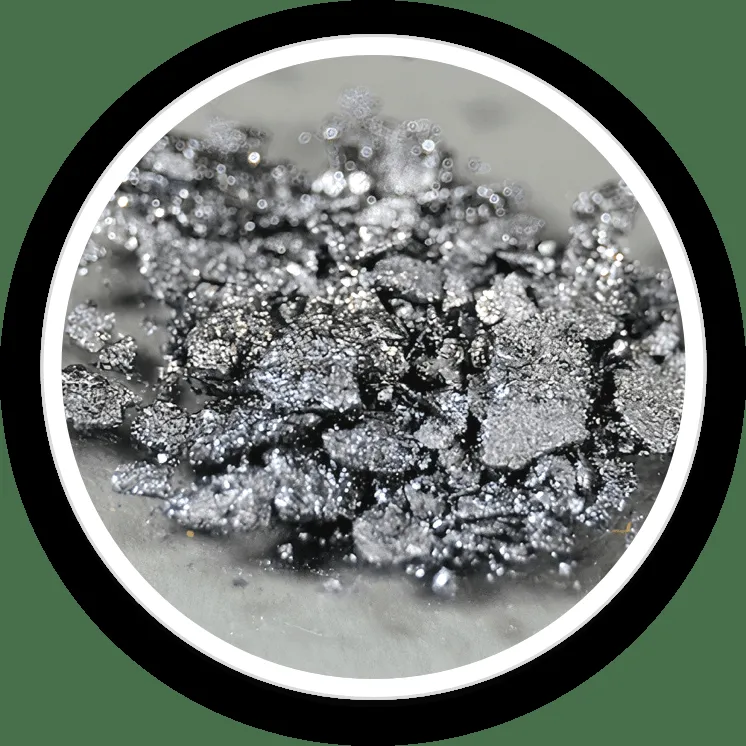
Iodine
Role: Supports thyroid function, which influences saliva production and quality. Also possesses antiseptic properties that can help maintain oral hygiene.
Supports saliva health
Copper
Role: Crucial for collagen formation, which is vital for healthy gums and the underlying structure supporting teeth. Also has antimicrobial properties.
Supports gum health & tissue integrity
Chromium
Role: May help regulate blood sugar levels, indirectly impacting the oral environment by reducing sugar availability for harmful bacteria.
Supports oral microbiome balance
Chlorella Vulgaris
Role: A nutrient-dense algae known for its detoxifying properties. Rich in vitamins and minerals that support overall health, including oral tissues.
Detoxifies & nourishes
Chlorophyllin
Role: A derivative of chlorophyll, known for its powerful antioxidant and anti-inflammatory effects. Can help neutralize bad breath and promote gum health.
Antioxidant & anti-inflammatory
Shilajith Extract
Role: An ancient Ayurvedic substance rich in fulvic acid and over 80 trace minerals. Supports cellular health, energy, and nutrient absorption, beneficial for overall oral tissue repair.
Mineral-rich & revitalizing
Boron Citrate Complex
Role: A trace mineral that supports bone metabolism and the absorption of calcium and magnesium, thereby indirectly aiding in enamel strength.
Enhances mineral utilizationPillar 3: Diligent Oral Hygiene Habits
Even the best diet and supplements won't fully protect your enamel without consistent, proper oral hygiene. Daily habits are your first line of defense.
Proper Brushing: Brush your teeth twice a day for at least two minutes using a soft-bristled toothbrush. Aggressive brushing can actually wear down enamel and irritate gums. Use gentle, circular motions, ensuring you reach all tooth surfaces. Consider an electric toothbrush for more consistent cleaning. The type of toothpaste also matters; fluoride toothpaste strengthens enamel by incorporating fluoride ions into the hydroxyapatite crystals, making them more resistant to acid. Alternatively, hydroxyapatite toothpastes offer a fluoride-free option that directly supplies enamel's primary building block. For more insights on choosing the right support for your dental health, read our guide on the Best Dental Health Supplement.
Daily Flossing: Flossing once a day is non-negotiable. It removes plaque and food particles from between your teeth and under the gumline, areas your toothbrush can't reach. Neglecting to floss allows bacteria to thrive, leading to gum disease and interdental cavities, which can compromise overall enamel health. If traditional flossing is difficult, try water flossers or interdental brushes.
Mouth Rinses: While not a substitute for brushing and flossing, an alcohol-free, remineralizing mouthwash can offer additional protection. These rinses often contain fluoride or other minerals that help strengthen enamel. Avoid alcohol-based mouthwashes, as they can dry out the mouth and disrupt the natural oral microbiome. Additionally, some people find benefits from natural rinses like oral probiotics for gum disease, which can help balance the bacteria in your mouth.
Stay Hydrated: Drinking plenty of water throughout the day helps rinse away food particles and acids, and stimulates saliva production. Saliva is your mouth's natural cleansing agent and plays a crucial role in remineralization. Water is also essential for maintaining overall bodily functions, including those that support oral health.
Regular Dental Check-ups: Visiting your dentist for check-ups and professional cleanings every six months is vital. Dentists can identify early signs of demineralization or decay, provide fluoride treatments if necessary, and offer personalized advice on maintaining your oral health. They can also address any underlying issues that might be contributing to enamel erosion or gum disease.
Pillar 4: Healthy Lifestyle Choices for Overall Oral Wellness
Beyond diet, supplements, and hygiene, broader lifestyle factors significantly influence your body's ability to maintain strong, healthy enamel.
Manage Stress Effectively
Chronic stress can impact your entire body, including your oral health. It can lead to habits like teeth grinding (bruxism), which physically wears down enamel. Stress also weakens the immune system, potentially increasing susceptibility to gum disease and other oral infections that can compromise dental health. Incorporate stress-reducing activities like meditation, yoga, or spending time in nature.
Ensure Adequate Sleep
Quality sleep is essential for the body's repair and regeneration processes. During sleep, your body works to restore and heal, which includes maintaining the health of your oral tissues. Poor sleep can lead to increased inflammation and a compromised immune response, both of which negatively affect gum health and indirectly, enamel integrity. Aim for 7-9 hours of restful sleep each night.
Avoid Tobacco and Excessive Alcohol
Smoking and tobacco use are detrimental to oral health, causing dry mouth, staining, gum disease, and significantly increasing the risk of oral cancers. Excessive alcohol consumption also contributes to dry mouth and can be highly acidic, directly eroding enamel. Quitting tobacco and moderating alcohol intake are critical steps for protecting your enamel and overall health.
Maintain a Balanced pH
While diet plays a role, ensuring your overall body pH is balanced can also support oral health. Chronic acidity in the body can manifest in various ways, potentially affecting saliva quality. While extreme measures are unnecessary, a diet rich in alkaline-forming foods (most fruits and vegetables) and staying hydrated can contribute to a healthier internal environment that supports remineralization.
Benefits of Strong, Remineralized Enamel
Investing in strategies to remineralize your tooth enamel yields a multitude of benefits that extend far beyond just preventing cavities.
Reduced Tooth Sensitivity
Weakened enamel exposes the dentin layer underneath, leading to sensitivity to hot, cold, sweet, or acidic foods. Remineralizing your enamel creates a thicker, stronger protective barrier, significantly reducing or eliminating this discomfort and allowing you to enjoy a wider range of foods and drinks.
Effective Cavity Prevention
The primary role of enamel is to protect against decay. Strong, remineralized enamel is much more resistant to acid attacks from bacteria and acidic foods. This significantly lowers your risk of developing cavities, saving you from painful dental procedures and maintaining the integrity of your natural teeth for longer.
Whiter, Brighter Smile
While enamel itself is translucent, the dentin beneath it has a yellowish hue. As enamel thins, this yellow color becomes more visible. By strengthening and thickening your enamel through remineralization, your teeth can appear naturally whiter and brighter, contributing to a more confident smile.
Stronger Bite and Chewing Efficiency
Healthy enamel provides the structural integrity necessary for efficient chewing. When enamel is strong, your teeth are better equipped to handle the forces of biting and grinding food, reducing the risk of chips, cracks, and other damage that can arise from weakened tooth structure.
Improved Overall Oral Health
Remineralization is part of a holistic approach to oral health. Strong enamel contributes to a healthier oral microbiome, reduces inflammation, and creates a more robust defense against gum disease and other common dental issues. This integrated approach leads to lasting oral wellness.
Long-Term Cost Savings
Preventing cavities and other dental problems through remineralization can lead to significant savings on dental treatments in the long run. By maintaining healthier teeth, you reduce the need for fillings, crowns, and other restorative procedures, making natural enamel care a wise investment in your future.

Take the First Step Towards Stronger, Healthier Teeth Today!
Don't let weakened enamel and sensitivity hold you back any longer. DentiCore offers a powerful, natural solution crafted to support your body's inherent ability to remineralize and protect your teeth against decay and gum disease. Our unique blend of vitamins, minerals, and plant extracts works synergistically to fortify enamel, reduce inflammation, and promote a balanced oral microbiome.
- Supports natural tooth remineralization
- Reduces tooth sensitivity and strengthens enamel
- Promotes healthy gums and fresh breath
- Made with 100% natural, scientifically-backed ingredients
- Manufactured in an FDA-registered, GMP-certified facility


What Our Customers Say
"My teeth feel so much stronger and less sensitive. I've noticed a real difference in just a few weeks! DentiCore has truly helped me regain confidence in my smile without harsh chemicals."
"I used to dread cold drinks, but after incorporating DentiCore, my sensitivity has drastically improved. Highly recommend this natural approach to anyone struggling with weak enamel."
"This supplement has become a staple in my dental routine. My dentist even commented on the improvement in my enamel and overall gum health during my last check-up. Fantastic product!"
Frequently Asked Questions
What is tooth enamel and why is remineralization important?
+Tooth enamel is the hard, protective outer layer of your teeth. It's the strongest substance in the human body, but it can be eroded by acids from foods, drinks, and bacteria, a process known as demineralization. Remineralization is crucial because it's the natural process by which minerals like calcium and phosphate are redeposited into the enamel, repairing microscopic damage and preventing cavities, sensitivity, and further decay. Without effective remineralization, your teeth become vulnerable to progressive damage.
Can tooth enamel truly remineralize naturally?
+Yes, tooth enamel can absolutely remineralize naturally, especially in the early stages of demineralization. Your saliva plays a vital role in this process, continuously bathing your teeth in minerals. By adopting a nutrient-rich diet, practicing excellent oral hygiene, and potentially incorporating targeted supplements, you can significantly enhance your body's ability to repair and strengthen enamel. While severe enamel loss cannot be fully regrown, early damage can be reversed, and existing enamel can be made more resilient.
What foods should I eat to support enamel remineralization?
+To support enamel remineralization, focus on a diet rich in calcium, phosphorus, and vitamins D and K2. Excellent sources include dairy products (milk, cheese, yogurt), leafy green vegetables (kale, spinach), fatty fish (salmon, mackerel), eggs, nuts, and seeds. Vitamin D helps with calcium absorption, while Vitamin K2 directs calcium to your bones and teeth. It's equally important to limit sugary and acidic foods and drinks, which contribute to demineralization, and to stay well-hydrated with water.
How do supplements like DentiCore help in remineralization?
+Supplements like DentiCore are designed to provide a concentrated source of key nutrients that are vital for dental health and enamel remineralization, especially when dietary intake might be insufficient. DentiCore, for example, combines essential minerals like calcium, copper, chromium, and iodine with powerful botanical extracts such as chlorella vulgaris, chlorophyllin, and shilajit. These ingredients work synergistically to support the body's natural remineralization processes, reduce inflammation, balance the oral microbiome, and protect against factors contributing to tooth decay and gum disease, offering a comprehensive approach to oral wellness.
What daily habits are crucial for maintaining strong enamel?
+Beyond diet and supplements, several daily habits are crucial for maintaining strong enamel. These include brushing your teeth twice a day for two minutes with a soft-bristled brush and a fluoride or hydroxyapatite toothpaste. Flossing daily is essential to remove plaque and food particles between teeth. Using an alcohol-free mouthwash can also help. Additionally, drinking plenty of water throughout the day, avoiding frequent snacking, and scheduling regular dental check-ups and cleanings are paramount to preventing demineralization and supporting overall oral health.
How long does it take to see results from remineralization efforts?
+The time it takes to see results from remineralization efforts can vary depending on the extent of demineralization, consistency of habits, and individual metabolism. You might start noticing reduced sensitivity within a few weeks, as the enamel begins to strengthen. However, significant improvements in enamel hardness and resistance to decay may take several months of consistent effort across diet, hygiene, and supplementation. Regular dental check-ups can help monitor progress and ensure your strategies are effective.
Related Articles


