Are You Trading Enamel for an Illusion of Whiteness with Activated Charcoal?
In the quest for a brighter smile and healthier mouth, many have turned to activated charcoal, a trend that has swept through the dental hygiene market. Promising a natural path to whiter teeth and detoxification, it often appears as a miracle ingredient in toothpastes, powders, and rinses. But beneath the dark, gritty surface, are we truly finding a sustainable solution for our oral health, or are we inadvertently exposing our precious enamel to irreversible damage?
This comprehensive guide delves deep into the science behind activated charcoal's claims, dissecting its purported benefits against the backdrop of significant, often overlooked, risks. We'll explore why, despite its popularity, activated charcoal falls short as a long-term dental health solution and introduce a revolutionary alternative, DentiCore, designed to nourish your teeth and gums from within, without compromising your enamel or overall oral integrity.

The Activated Charcoal Phenomenon: What's the Hype?
Activated charcoal, a fine black powder made from bone char, coconut shells, peat, petroleum coke, coal, olive pits, or sawdust, is "activated" by processing it at high temperatures. This process creates tiny internal spaces or pores, making it highly adsorbent. This unique property is what gives it its perceived power in various applications, from water filtration to emergency poisoning treatments.
In the realm of dental health, activated charcoal gained immense popularity primarily for its purported teeth whitening capabilities. The idea is that its porous surface can bind to surface stains, toxins, and bacteria in the mouth, effectively "pulling" them away from the teeth and gums. Advocates claim it can detoxify the mouth, reduce bad breath, and even prevent cavities by eliminating harmful microorganisms. Many people are drawn to its "natural" appeal, seeking alternatives to conventional dental products that contain fluoride or artificial ingredients. However, the scientific community and dental professionals often express skepticism, urging caution due to a lack of robust evidence and concerns about potential harm. Understanding the nuances of its mechanism is crucial to evaluating its overall effectiveness and safety for daily oral care.
💡 Key Takeaway
Activated charcoal's popularity in dentistry stems from its adsorbent properties, believed to whiten teeth and detoxify the mouth, but these claims lack substantial scientific backing and carry significant risks for long-term oral health.
Perceived Benefits of Activated Charcoal for Oral Health
While the dental community remains divided, proponents of activated charcoal highlight several potential benefits, mostly anecdotal, for maintaining oral hygiene. It's important to distinguish between perceived benefits and scientifically proven ones when considering its use.
Surface Stain Removal and Whitening
The most widely cited benefit is its ability to remove surface stains from teeth, leading to a brighter appearance. Activated charcoal's abrasive texture and porous nature are thought to scrub away extrinsic stains caused by coffee, tea, red wine, and tobacco, making teeth appear whiter. However, this is not true bleaching, which alters the intrinsic color of the tooth.
Oral Detoxification
Due to its high adsorptive capacity, activated charcoal is believed to bind to toxins, bacteria, and other impurities in the mouth. This "detoxification" effect is thought to improve overall oral hygiene and potentially reduce the bacterial load that contributes to bad breath and gum problems. This concept, however, requires more rigorous scientific validation in a dental context.
Bad Breath Reduction
By adsorbing odor-causing compounds and bacteria responsible for halitosis, activated charcoal is sometimes credited with reducing bad breath. Users often report a fresher feeling mouth after use. While it may temporarily mask odors, it does not address the underlying causes of chronic bad breath, which often require professional dental intervention.
Natural Alternative Appeal
For individuals seeking natural or chemical-free alternatives to conventional toothpastes, activated charcoal products are often appealing. They are typically free from fluoride, artificial sweeteners, colors, and preservatives, aligning with a desire for a more holistic approach to health. This natural appeal is a significant driver of its market popularity, despite the scientific concerns.

The Alarming Risks of Activated Charcoal for Your Teeth and Gums
Despite the trendy appeal and anecdotal benefits, the dental community has voiced significant concerns regarding the long-term use of activated charcoal in oral hygiene. The risks associated with its abrasive nature and lack of essential dental protective ingredients far outweigh its perceived advantages, potentially leading to irreversible damage.
The primary concern revolves around enamel erosion. Activated charcoal is highly abrasive. When used regularly, particularly with vigorous brushing, its gritty particles can wear down the outermost layer of your teeth – the enamel. Enamel is crucial for protecting teeth from decay and sensitivity. Once enamel is gone, it cannot be regenerated. Thinning enamel makes teeth appear yellower (as the underlying dentin, which is naturally yellowish, becomes more visible), increases sensitivity to hot and cold, and makes teeth more susceptible to cavities and structural damage. This directly contributes to the medical condition of Tooth Decay and Gum Disease, rather than preventing it.
Furthermore, activated charcoal does not contain fluoride, a mineral widely recognized and recommended by dental professionals for its ability to strengthen enamel and prevent cavities. By opting for charcoal toothpaste, individuals miss out on this crucial protective benefit, leaving their teeth vulnerable to acid attacks and decay. For more insights into natural remedies, you might find our article on natural dental health relief remedies helpful, but always consult your dentist.
Beyond enamel, activated charcoal can also harm your gums. Its abrasive nature can irritate and inflame gum tissue, leading to gum recession or increased sensitivity. The charcoal particles can also get lodged in the crevices of the gums or around existing dental work, such as fillings, crowns, or veneers, causing discoloration or further irritation. This can exacerbate existing gum disease or initiate new problems.
There's also no scientific evidence to suggest that activated charcoal can effectively treat or prevent serious dental conditions like tooth decay or gum disease. While it may temporarily adsorb some bacteria, it doesn't penetrate the tooth surface to fight decay from within, nor does it possess antimicrobial properties strong enough to combat established periodontal disease. In fact, by irritating gums, it might even worsen the condition. Many people seeking effective solutions for their oral health might consider reviewing DentiCore reviews and real results to see a proven alternative.
In summary, while activated charcoal might offer a superficial whitening effect by removing surface stains, it does so at the potential cost of your long-term dental health. The risks of enamel erosion, increased sensitivity, gum irritation, and lack of cavity protection make it a questionable choice for daily oral hygiene. It's a classic case where a "natural" solution can be far from beneficial when not properly understood or scientifically validated. Prioritizing enamel health and comprehensive protection against Tooth Decay and Gum Disease should always be paramount.
Key Risks of Using Activated Charcoal on Teeth
Enamel Erosion
The abrasive nature of activated charcoal can wear down tooth enamel, making teeth more susceptible to sensitivity, decay, and appearing yellower as the dentin becomes exposed. This damage is irreversible.
Increased Sensitivity
As enamel thins, the underlying dentin, which contains microscopic tubules leading to the tooth's nerve, becomes exposed. This leads to heightened sensitivity to hot, cold, sweet, and acidic foods and drinks.
Gum Irritation & Recession
The harsh scrubbing action of charcoal can irritate delicate gum tissues, potentially leading to inflammation, bleeding, and even gum recession, exposing tooth roots and increasing the risk of periodontal disease.
No Cavity Protection
Activated charcoal products typically lack fluoride, the most effective ingredient for strengthening enamel and preventing cavities. Relying solely on charcoal leaves teeth vulnerable to decay and acid erosion.
Discoloration of Dental Work
Charcoal particles can become trapped in the microscopic pores of existing dental fillings, crowns, veneers, or bonding, causing them to stain or appear discolored, requiring costly professional cleaning or replacement.
Unproven Efficacy
Despite marketing claims, there is insufficient scientific evidence from reputable dental organizations to support the effectiveness of activated charcoal for long-term teeth whitening, oral detoxification, or cavity prevention.
💡 Key Takeaway
While activated charcoal offers superficial stain removal, its abrasive nature poses serious risks, including irreversible enamel erosion, increased sensitivity, gum damage, and a lack of cavity protection, making it unsuitable for comprehensive dental care.
Beyond Surface Stains: Addressing the Root Causes of Dental Problems
Effective dental health goes far beyond just scrubbing away surface stains. True oral wellness, which prevents conditions like Tooth Decay and Gum Disease, requires addressing the underlying biological processes that lead to these issues. This includes maintaining a healthy oral microbiome, supporting enamel remineralization, ensuring adequate nutrient supply to gum tissues, and combating inflammation from within.
Activated charcoal, by its very mechanism, is a superficial cleaner. It works by adsorption, binding to substances on the surface. While this might remove some extrinsic stains or toxins, it doesn't penetrate the enamel to strengthen it, nor does it address issues like bacterial imbalances deep within the gums or the systemic factors that influence oral health. It cannot provide the essential minerals like calcium, phosphorus, or fluoride that are vital for repairing microscopic enamel damage and protecting against acid attacks. Nor can it deliver antioxidants or anti-inflammatory compounds to soothe irritated gum tissues and halt the progression of periodontal disease.
The focus on activated charcoal often distracts from the comprehensive approach needed for robust oral health. Relying on it can create a false sense of security, leading individuals to neglect proven methods of prevention and treatment. For example, understanding how different herbs for dental health can support your oral microbiome is a much more holistic approach. A truly effective solution must work synergistically with the body's natural defenses, providing foundational support for both teeth and gums, and creating an environment where harmful bacteria struggle to thrive while beneficial ones flourish. It needs to nourish, protect, and repair, rather than simply abrade and adsorb. This paradigm shift is essential for anyone serious about lasting oral health and preventing the insidious progression of dental conditions.
Introducing DentiCore: A Revolutionary Approach to Dental Health
In light of the significant risks and limited efficacy of activated charcoal for truly addressing Tooth Decay and Gum Disease, a new, scientifically-backed solution has emerged: DentiCore. This innovative supplement takes a holistic approach, working from within to support the health of your teeth and gums, rather than relying on abrasive surface cleaning.
DentiCore is formulated with a powerful blend of natural ingredients, each carefully selected for its proven benefits in promoting oral wellness, strengthening enamel, fighting harmful bacteria, and reducing inflammation. Unlike activated charcoal, which can strip away protective enamel, DentiCore nourishes your entire oral system, providing essential nutrients that support the natural healing and protective mechanisms of your body.
The core philosophy behind DentiCore is to create an optimal environment in your mouth and body that actively resists tooth decay and gum disease. It targets the underlying systemic issues that contribute to these problems, such as nutrient deficiencies and imbalances in the oral microbiome. By delivering potent vitamins, minerals, and plant extracts, DentiCore helps to:
- Support healthy oxygenation of gums and teeth: Ensuring vital nutrients reach dental tissues.
- Strengthen tooth enamel: Providing building blocks for robust, decay-resistant teeth.
- Maintain a balanced oral microbiome: Suppressing harmful bacteria while supporting beneficial ones.
- Reduce inflammation: Calming irritated gums and preventing the progression of periodontal disease.
- Detoxify the mouth naturally: Without abrasive action, promoting a cleaner, fresher environment.
DentiCore represents a paradigm shift from temporary fixes like activated charcoal to a comprehensive, long-term strategy for enduring oral health. It's a testament to how modern science, combined with nature's wisdom, can offer a superior path to a healthy smile, free from the worries of abrasive damage and ineffective treatments. With DentiCore, you can confidently pursue a brighter, healthier future for your teeth and gums.
The Powerhouse Ingredients of DentiCore
DentiCore's effectiveness stems from its unique blend of 100% natural, clinically-backed ingredients, each playing a crucial role in supporting comprehensive oral health from within. These components work synergistically to provide a robust defense against Tooth Decay and Gum Disease, ensuring your teeth and gums receive the nourishment and protection they need without the abrasive risks of activated charcoal.

Calcium
Role: Essential for building and maintaining strong bones and teeth. It helps remineralize enamel, making teeth more resistant to decay and acid erosion. Adequate calcium intake is vital for tooth structure and density.
50-100 mg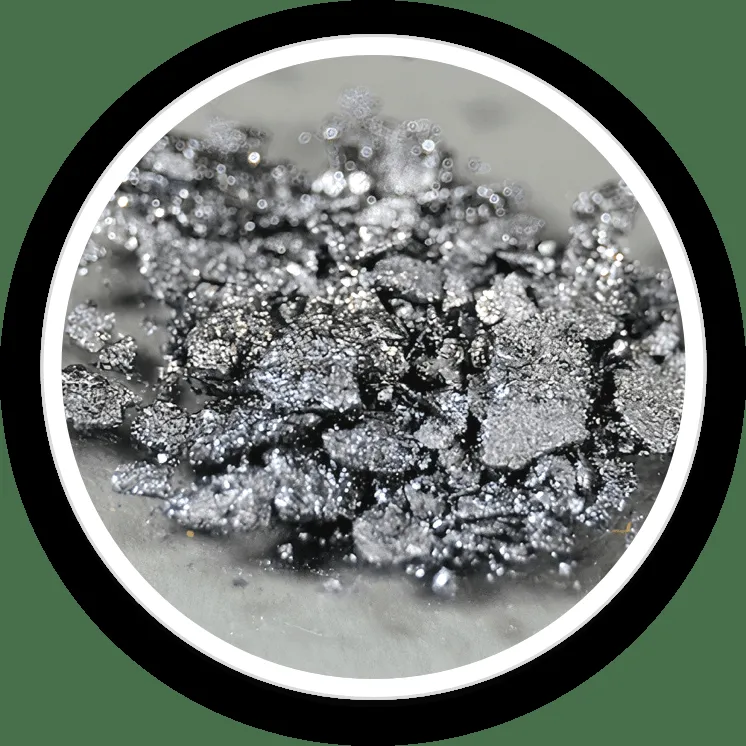
Iodine
Role: Supports thyroid health, which indirectly impacts oral health. It also possesses antiseptic properties that can help reduce harmful bacteria in the mouth and support gum tissue integrity, contributing to a healthier oral microbiome.
50-150 mcg
Copper
Role: Plays a vital role in collagen formation, which is crucial for healthy gum tissue and the connective tissues that hold teeth in place. It also has antimicrobial properties, helping to combat oral pathogens.
0.5-2 mg
Chromium
Role: While primarily known for blood sugar regulation, chromium may indirectly benefit oral health by supporting overall metabolic function, which can impact systemic inflammation and gum health. It helps maintain cellular health.
50-200 mcg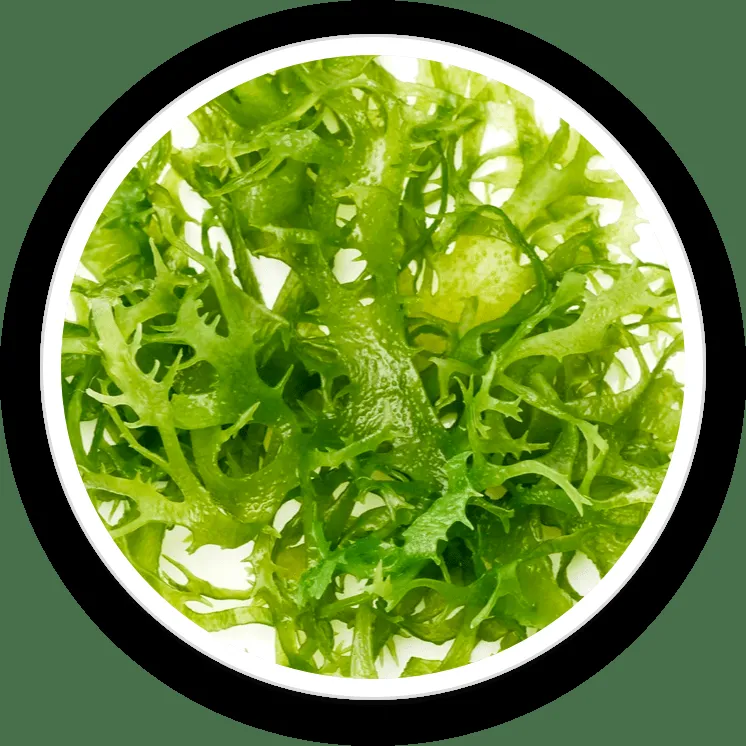
Chlorella Vulgaris
Role: A potent detoxifier, Chlorella helps eliminate heavy metals and toxins from the body, including the oral cavity. Its rich nutrient profile supports tissue repair and acts as a natural antioxidant, beneficial for gum health.
50-150 mg
Chlorophyllin
Role: Known for its deodorizing properties, chlorophyllin helps neutralize bad breath from within. It also possesses anti-inflammatory and antioxidant effects, promoting gum health and aiding in tissue healing, crucial for fighting gum disease.
50-100 mg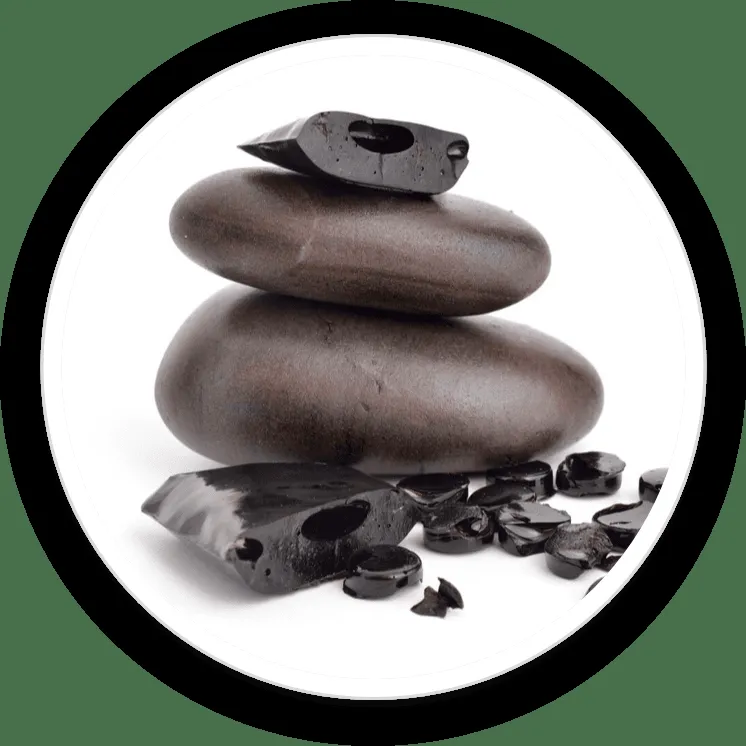
Shilajit Extract
Role: A powerful adaptogen and mineral-rich compound, Shilajit supports overall cellular regeneration and energy production. Its fulvic acid content enhances nutrient absorption and provides potent antioxidant and anti-inflammatory benefits, strengthening oral tissues.
50-100 mg
Boron Citrate Complex
Role: Boron supports bone health by influencing calcium and magnesium metabolism. It also has anti-inflammatory properties that can benefit gum health and may play a role in maintaining the integrity of oral tissues against bacterial challenges.
1-5 mgWhy DentiCore is the Clear Winner Over Activated Charcoal
When it comes to achieving true, lasting dental health, the comparison between DentiCore and activated charcoal reveals a stark contrast. While charcoal offers a temporary, superficial, and potentially damaging solution, DentiCore provides a comprehensive, safe, and effective path to oral wellness, directly addressing the underlying causes of Tooth Decay and Gum Disease.
Activated Charcoal: The Illusion of Health
Activated charcoal's mechanism is purely external and abrasive. It scrapes away surface stains, giving a fleeting impression of brighter teeth. However, this comes at a significant cost:
- Enamel Destruction: Its abrasive nature gradually erodes tooth enamel, leading to irreversible damage, increased sensitivity, and a higher risk of cavities.
- Lack of Protection: It contains no fluoride or other remineralizing agents, leaving teeth vulnerable to decay.
- Gum Irritation: The gritty particles can inflame and damage delicate gum tissues, exacerbating gum disease.
- No Deep Cleaning: It cannot penetrate biofilms or address bacterial imbalances deep within the gum line or inside the tooth structure.
- Temporary Effects: Any whitening or detoxifying effects are superficial and short-lived, requiring continuous use that compounds the risks.
DentiCore: The Foundation of Lasting Oral Wellness
DentiCore, on the other hand, operates on a completely different principle. It's an internal supplement designed to nourish and protect your oral cavity from the inside out, providing foundational support for teeth and gums:
- Enamel Strengthening: Ingredients like Calcium and Boron support enamel remineralization, making your teeth stronger and more resistant to decay, without any abrasive action.
- Gum Health & Healing: Copper, Chlorophyllin, and Chlorella Vulgaris work to reduce inflammation, promote collagen formation, and support tissue repair, actively fighting gum disease and promoting healthy gums.
- Balanced Oral Microbiome: Natural detoxifiers and antimicrobial agents help create an environment where beneficial bacteria thrive, and harmful pathogens are kept in check, reducing bad breath and preventing decay.
- Systemic Support: By providing essential minerals and antioxidants, DentiCore supports overall health, which is intrinsically linked to oral well-being.
- Safe & Non-Abrasive: As an oral supplement, DentiCore poses no risk of enamel erosion or gum irritation, making it a safe choice for long-term daily use.
- Comprehensive Protection: It addresses the root causes of tooth decay and gum disease, offering a sustained defense that charcoal simply cannot provide.
In essence, activated charcoal is like trying to paint over rust; it hides the problem temporarily while the damage continues underneath. DentiCore is like strengthening the metal itself, ensuring the rust never takes hold. For anyone serious about protecting their smile, preventing tooth decay, and combating gum disease, the choice is clear: DentiCore offers a superior, scientifically-backed, and safe solution that activated charcoal simply cannot match.

Transform Your Oral Health with DentiCore Today!
Don't let the fleeting trends of activated charcoal compromise your dental health. Choose DentiCore, the scientifically formulated supplement designed to provide comprehensive, lasting support for your teeth and gums. Experience the confidence of a genuinely healthy smile, free from the worries of tooth decay and gum disease.
- ✓ Supports healthy teeth and gums from within
- ✓ Combats tooth decay and gum disease naturally
- ✓ Strengthens enamel and reduces sensitivity
- ✓ 100% natural, non-GMO, and stimulant-free ingredients
- ✓ Manufactured in an FDA-approved, GMP-certified facility


Real People, Real Results with DentiCore
"I was skeptical after trying so many things for my sensitive gums, including charcoal which just made it worse. DentiCore changed everything! My gums feel healthier, and my teeth look brighter without any sensitivity. It's truly a game-changer for my oral health."
"My dentist always warned me about enamel erosion from charcoal toothpaste. I switched to DentiCore a few months ago, and the difference is incredible. No more sensitivity, and my breath is consistently fresh. I feel like my teeth are stronger than ever."
"After struggling with recurring gum issues and trying various 'natural' remedies, DentiCore was a revelation. My gums are no longer inflamed, and I've noticed a significant improvement in my overall oral hygiene. This is the real deal for lasting dental health."
Frequently Asked Questions
Is activated charcoal safe for daily dental use?
+No, activated charcoal is generally not recommended for daily dental use due to its abrasive nature, which can erode tooth enamel and lead to increased tooth sensitivity and permanent damage over time. It can also cause gum irritation and may not effectively prevent tooth decay or gum disease.
Can activated charcoal whiten teeth effectively and safely?
+While activated charcoal may remove surface stains, giving the appearance of whiter teeth, it does so through abrasive action. This can thin enamel, exposing the naturally yellower dentin beneath, and making teeth more susceptible to future staining and decay. It does not bleach teeth like professional whitening treatments.
How does DentiCore offer a better solution than activated charcoal for oral health?
+DentiCore provides a comprehensive, non-abrasive approach to oral health by targeting the root causes of tooth decay and gum disease. Its blend of natural ingredients supports healthy teeth and gums, detoxifies the mouth, and promotes overall well-being without the risks associated with activated charcoal. It works from within to nourish and protect.
Are there any side effects associated with using DentiCore?
+DentiCore is formulated with 100% natural ingredients and manufactured in an FDA-approved, GMP-certified facility, ensuring high standards of purity and safety. It is designed to be gentle and effective, with no reported side effects when used as directed. However, it's always advisable to consult with a healthcare professional before starting any new supplement.
How long does it take to see results with DentiCore?
+Many users report noticing improvements in their oral health, such as fresher breath and healthier gums, within a few weeks of consistent use. For optimal and long-lasting results in combating tooth decay and gum disease, it is recommended to use DentiCore for at least 3 to 6 months. Individual results may vary.
Where can I purchase DentiCore, and is it backed by a guarantee?
+DentiCore is exclusively available through its official website to ensure authenticity and quality. Each purchase is backed by a robust 60-day, 100% money-back guarantee, allowing you to try the product risk-free. If you're not completely satisfied, you can request a full refund.
Related Articles

