Are your teeth slowly dissolving without you even knowing it?
Many people unknowingly expose their teeth to daily acid attacks, gradually eroding the protective enamel layer. This silent threat, known as acid erosion, can lead to severe dental problems if left unaddressed. It's not just about cavities anymore; the very structure of your teeth is at risk.
Understanding how common dietary choices and certain health conditions contribute to this damage is the first step towards safeguarding your oral health. From the seemingly innocent morning orange juice to late-night snacking, the foods and drinks we consume play a critical role in the long-term integrity of our tooth enamel.

The Silent Threat: What is Acid Erosion?
Acid erosion, also known as dental erosion, is a pervasive problem that often goes unnoticed until significant damage has occurred. It's the irreversible loss of tooth structure due to chemical dissolution by acids, without the involvement of bacteria. Unlike cavities, which are caused by bacterial acids that create holes, erosion slowly wears away the entire surface of the enamel.
Your teeth are protected by enamel, the hardest substance in the human body. This incredibly strong outer layer is primarily composed of minerals, mainly hydroxyapatite. Its purpose is to shield the softer dentin underneath from daily wear and tear, temperature changes, and chemical attacks. However, despite its strength, enamel is highly susceptible to acid.
When your teeth are exposed to acids, the pH level in your mouth drops. If the pH falls below a critical level (around 5.5 for enamel), the minerals in your enamel begin to dissolve. This process is called demineralization. While your saliva naturally works to neutralize acids and remineralize your teeth, frequent or prolonged acid exposure can overwhelm this natural defense, leading to a net loss of enamel over time.
Understanding the distinction between acid erosion and traditional tooth decay is crucial. While both result in tooth damage, their origins differ. Decay is a biological process involving bacteria metabolizing sugars to produce acid, forming localized lesions. Erosion, on the other hand, is a chemical process, often affecting broader tooth surfaces and stemming from dietary acids or internal acid reflux. Both conditions, however, lead to weakened teeth and increased susceptibility to further damage, highlighting the importance of comprehensive oral care.
💡 Key Takeaway
Acid erosion is the irreversible loss of tooth enamel due to acid attacks, distinct from bacterial tooth decay. It weakens teeth, making them sensitive and vulnerable, and is primarily caused by dietary acids or stomach acid.
Common Causes of Acid Erosion: Dietary & Beyond
Acid erosion isn't always a result of poor hygiene; often, it stems from seemingly innocuous daily habits or underlying health conditions. Identifying these sources is paramount for effective prevention.
Acidic Foods and Drinks
This is by far the most common cause. Soft drinks, sports drinks, energy drinks, and even fruit juices (especially citrus ones like orange, lemon, and grapefruit) are highly acidic. Frequent consumption, especially sipping over extended periods, keeps the mouth in an acidic state, accelerating enamel dissolution. Even seemingly healthy options like sparkling water with lemon or certain herbal teas can contribute to erosion due to their low pH.
Gastroesophageal Reflux Disease (GERD)
Chronic acid reflux, where stomach acid flows back into the esophagus and sometimes reaches the mouth, is a significant internal cause of erosion. The stomach acid is far more potent than dietary acids and can cause widespread damage to the enamel, particularly on the chewing surfaces and the inside of the upper front teeth. People with GERD often experience a sour taste, heartburn, and sometimes difficulty swallowing.
Eating Disorders and Frequent Vomiting
Conditions like bulimia nervosa, which involve frequent self-induced vomiting, expose teeth to highly corrosive stomach acid. This can lead to severe and rapid enamel loss, often characterized by erosion on the lingual (tongue-side) surfaces of the upper front teeth. Similarly, chronic vomiting due to other medical conditions or morning sickness can have a similar impact.
Certain Medications and Dry Mouth
Some medications, such as aspirin (chewed), iron preparations, and certain vitamin C chewables, are acidic and can contribute to erosion. Additionally, medications that cause dry mouth (xerostomia) can exacerbate acid erosion. Saliva plays a crucial role in neutralizing acids and remineralizing enamel. Without sufficient saliva, the mouth's natural defense mechanism is significantly compromised, leaving teeth more vulnerable to acid attacks.
Environmental Factors
Less common but still relevant, certain environmental factors can contribute to erosion. For individuals working in industries with high exposure to airborne acids (e.g., battery factories, electroplating plants), the inhalation of acidic fumes can lead to dental erosion. This highlights that acid exposure isn't solely internal or dietary but can also be occupational.

Recognizing the Signs: Symptoms of Acid Erosion
Early detection of acid erosion is key to preventing irreversible damage. Unfortunately, many people don't realize they have it until the damage is extensive. Understanding the symptoms can help you seek timely dental intervention.
One of the earliest and most common signs is increased tooth sensitivity. As enamel wears away, the underlying dentin, which contains thousands of microscopic tubules leading to the tooth's nerve, becomes exposed. This exposure can cause sharp pain or discomfort when consuming hot, cold, sweet, or acidic foods and drinks. You might notice a tingling sensation or a sudden jolt when air hits your teeth.
Another tell-tale sign is a change in the appearance of your teeth. Enamel erosion can make teeth appear more yellow because the underlying dentin, which is naturally yellowish, becomes more visible. The edges of your teeth, particularly the front ones, might look more translucent or "glassy." Over time, teeth can become rounded, thinner, or develop small indentations on the chewing surfaces. Fillings may also appear to rise above the surrounding tooth structure as the enamel around them wears away.
In more advanced stages, acid erosion can lead to cracks and chips in the teeth. With the enamel compromised, teeth lose their structural integrity, making them more brittle and prone to breakage. This can further complicate oral health, potentially leading to more severe dental issues requiring extensive restorative work. If you notice any of these symptoms, it's crucial to consult your dentist promptly.
The Destructive Path: How Acid Erosion Damages Enamel
To truly appreciate the importance of prevention, it's vital to understand the intricate process by which acids systematically dismantle your tooth enamel.
Demineralization at a Microscopic Level
At its core, acid erosion is a chemical reaction. When acids come into contact with enamel, they cause the calcium and phosphate ions that make up the hydroxyapatite crystals in the enamel to dissolve. This process, known as demineralization, creates microscopic pores and weakens the enamel structure, making it softer and more vulnerable.
Visible Changes and Structural Weakness
Initially, these changes are invisible to the naked eye. However, with repeated acid attacks, the cumulative loss of minerals becomes apparent. The enamel surface loses its smooth, shiny appearance, becoming duller and rougher. As more enamel is lost, the tooth begins to change shape – edges can become rounded, cusps can flatten, and the overall height of the tooth may decrease. This structural weakening makes teeth more susceptible to physical wear and tear.
Exposure of Dentin and Increased Sensitivity
Once the enamel is sufficiently eroded, the underlying dentin is exposed. Dentin is softer and more porous than enamel, making it even more vulnerable to acid attack and physical abrasion. Its exposure is also the primary cause of tooth sensitivity, as the dentinal tubules directly connect to the tooth's pulp, which contains the nerves. This exposure can lead to chronic discomfort and pain, significantly impacting quality of life.
Compromised Oral Health & Increased Risk
Beyond sensitivity, eroded enamel significantly increases the risk of other serious dental problems. With the protective barrier gone, teeth become more prone to cavities, as bacteria can more easily penetrate the softer dentin. It can also lead to more complex issues like gum disease, as weakened teeth and compromised structures can affect the surrounding tissues. Severe erosion may require extensive and costly restorative treatments like crowns, veneers, or even extractions.
💡 Key Takeaway
Acid erosion begins with microscopic demineralization, leading to visible changes like dullness, rounding, and eventually exposing the sensitive dentin. This process increases tooth sensitivity, heightens the risk of cavities, and may necessitate complex dental repairs.
Effective Strategies to Prevent Acid Erosion
Preventing acid erosion is far easier and less costly than treating its consequences. A combination of dietary adjustments, improved oral hygiene practices, and lifestyle changes can significantly protect your enamel.
Dietary Modifications: Your First Line of Defense
The most direct way to combat acid erosion is to reduce your exposure to acids. This doesn't necessarily mean eliminating all acidic foods, but rather being mindful of how and when you consume them.
- Limit Acidic Drinks: Reduce your intake of soft drinks, sports drinks, energy drinks, and fruit juices. If you do consume them, try to do so quickly, rather than sipping over a long period.
- Use a Straw: When drinking acidic beverages, use a straw to minimize direct contact with your teeth.
- Rinse with Water: After consuming acidic foods or drinks, rinse your mouth thoroughly with water to help neutralize acids and wash away residues.
- Pair with Non-Acidic Foods: Consume acidic foods (like citrus fruits) as part of a meal, rather than on their own. The other foods and increased saliva flow during a meal can help buffer the acids.
- Choose Water: Make water your primary beverage choice. It's pH-neutral and helps keep your mouth hydrated and healthy.
Optimized Oral Hygiene Practices
While good oral hygiene is always important, specific techniques are crucial when dealing with acid erosion:
- Wait Before Brushing: Do not brush your teeth immediately after consuming acidic foods or drinks. Acid softens enamel, making it more vulnerable to abrasion. Wait at least 30-60 minutes to allow your saliva to naturally remineralize the enamel before brushing.
- Soft-Bristled Toothbrush: Always use a soft-bristled toothbrush and brush gently. Hard brushing can physically abrade already weakened enamel.
- Fluoride Toothpaste: Use a fluoride toothpaste. Fluoride strengthens enamel and helps in the remineralization process, making teeth more resistant to acid attacks.
- Fluoride Mouthwash: Consider using a fluoride mouthwash daily, especially if you have a high risk of erosion or sensitivity.
Lifestyle Adjustments and Professional Care
- Chewing Sugar-Free Gum: Chewing sugar-free gum after meals stimulates saliva flow, which helps neutralize acids and replenish minerals in your enamel.
- Address Underlying Health Conditions: If you suffer from GERD or other conditions causing acid reflux or frequent vomiting, seek medical treatment. Managing these conditions is vital for preventing further dental erosion.
- Regular Dental Check-ups: Schedule regular visits to your dentist. They can detect early signs of erosion, provide fluoride treatments, apply protective sealants, and offer personalized advice on prevention and management.
- Consider Dental Supplements: Supplements designed to support enamel health and the oral microbiome can provide an additional layer of protection. Products like DentiCore are formulated with ingredients that contribute to stronger teeth and gums, offering comprehensive support against the challenges of daily oral exposure.
Supporting Enamel Strength: The Role of DentiCore Ingredients
While lifestyle changes are paramount, certain nutrients can play a supportive role in maintaining strong enamel and a healthy oral environment. DentiCore is formulated with a blend of ingredients chosen for their potential benefits in supporting dental health and resilience against factors like acid erosion.

Calcium
Role: Essential building block for strong bones and teeth. Calcium is the primary mineral component of enamel and dentin. Adequate intake supports remineralization and helps maintain the density and hardness of tooth structure, making it more resistant to acid demineralization.
Typical dosage: 100-300mg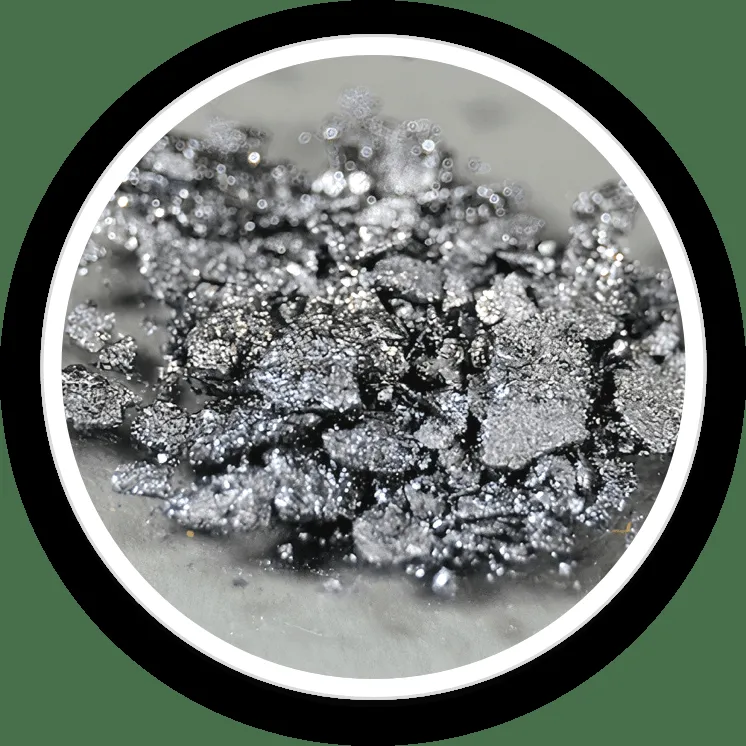
Iodine
Role: Supports thyroid function, which is indirectly linked to bone and tooth development. Research also suggests iodine may have antimicrobial properties in the mouth and can assist in overall oral tissue health, contributing to a more resilient environment.
Typical dosage: 100-200mcg
Copper
Role: A trace mineral crucial for connective tissue formation, including collagen which is a component of dentin and gum tissue. Copper also has antimicrobial properties that can help maintain a balanced oral microbiome, reducing the prevalence of harmful bacteria that contribute to decay and gum issues.
Typical dosage: 0.5-1mg
Chromium
Role: Primarily known for its role in blood sugar regulation. Stable blood sugar levels can indirectly benefit oral health by reducing the sugar available for harmful bacteria, thus lessening acid production. It contributes to overall metabolic health which supports systemic wellness, including dental health.
Typical dosage: 50-100mcg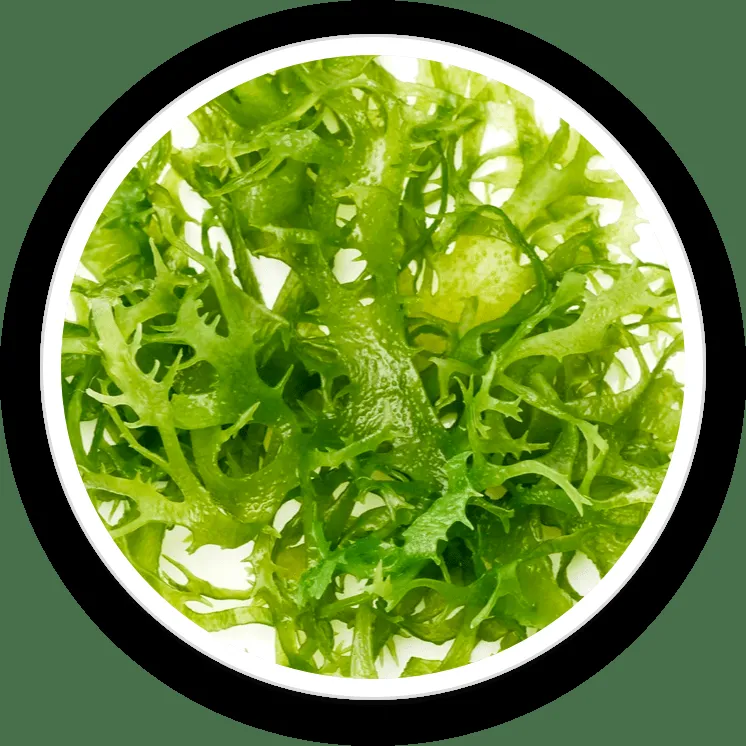
Chlorella Vulgaris
Role: A type of green algae rich in vitamins, minerals, and antioxidants. It's often used for detoxification and general wellness. In oral health, its chlorophyll content can help neutralize odors, and its nutrient profile supports healthy tissues and immune function, which are vital for maintaining resilient gums and overall oral integrity.
Typical dosage: 50-150mg
Chlorophyllin
Role: A derivative of chlorophyll, known for its powerful antioxidant and anti-inflammatory properties. It can help reduce inflammation in gum tissues and promote healing. Its detoxifying effects contribute to a cleaner oral environment, supporting the body's natural defenses against bacterial overgrowth and maintaining optimal breath.
Typical dosage: 5-20mg
Boron Citrate Complex
Role: Boron is a trace mineral that plays a role in bone metabolism and the absorption of calcium and magnesium. By supporting the utilization of these key minerals, boron indirectly contributes to stronger enamel and overall skeletal health, including the jawbone that supports your teeth.
Typical dosage: 1-3mg
Shilajith Extract
Role: A potent adaptogen rich in fulvic acid and minerals. Shilajith is traditionally used to enhance energy, vitality, and overall health. Its mineral content and antioxidant properties can contribute to systemic health that supports strong teeth and gums, potentially aiding in the body's natural repair processes and resilience against stress factors.
Typical dosage: 50-100mg
Ready to Protect Your Smile from Acid Erosion?
Don't let acid erosion silently destroy your teeth. DentiCore offers a targeted, natural approach to support your oral health from within. By providing essential nutrients, DentiCore helps create a stronger, more resilient environment for your teeth and gums.
- ✓ Supports healthy teeth & gums
- ✓ Formulated with natural ingredients
- ✓ Helps strengthen tooth enamel
- ✓ Boosts overall oral hygiene
- ✓ Made in an FDA-registered, GMP-certified facility


Hear From Our Satisfied Customers
"I've struggled with sensitive teeth for years, and my dentist mentioned early signs of erosion. Since starting DentiCore, the sensitivity has significantly decreased, and my teeth feel stronger. It's a game-changer for my oral health routine!"
"My dentist was impressed with the improvement in my enamel health at my last check-up. I've been taking DentiCore for three months, and I truly believe it's made a difference. Less sensitivity, and my gums feel healthier too. Highly recommend!"
"I was looking for a natural way to support my teeth, especially after noticing some transparency. DentiCore came highly recommended, and I'm so glad I tried it. My teeth look and feel healthier, and I'm much less worried about further erosion."
Frequently Asked Questions
What exactly is acid erosion and how does it differ from tooth decay?
+Acid erosion, also known as dental erosion, is the irreversible loss of tooth enamel due to chemical processes not involving bacteria. Unlike tooth decay, which is caused by acids produced by bacteria consuming sugars, erosion occurs when acids from external sources (like acidic foods/drinks) or internal sources (like stomach acid from reflux) dissolve the enamel directly. While both lead to enamel loss, their primary mechanisms differ, though both can ultimately compromise tooth structure.
What are the most common foods and drinks that cause acid erosion?
+Highly acidic foods and drinks are the primary culprits. This includes citrus fruits (lemons, oranges, grapefruit), fruit juices, soft drinks, sports drinks, energy drinks, vinegar, and some candies. Even seemingly healthy options like sparkling water with lemon or certain teas can contribute if consumed frequently. It's the pH level and frequency of exposure that dictate their erosive potential.
Can acid erosion be reversed once it starts?
+Once enamel is lost due to erosion, it cannot naturally grow back. Enamel is a non-living tissue. However, the process of demineralization can be slowed, halted, or even partially remineralized by saliva and fluoride, which can strengthen the remaining enamel and make it more resistant to future acid attacks. Early intervention and protective measures are crucial to prevent further damage and manage symptoms like sensitivity.
What are the best ways to prevent acid erosion at home?
+Prevention involves a multi-faceted approach. Limit consumption of acidic foods and drinks, and when you do consume them, do so quickly rather than sipping over time. Rinse your mouth with water after acidic intake. Use a soft-bristled toothbrush and wait at least 30-60 minutes after acidic exposure before brushing. Incorporate fluoride toothpaste and mouthwash, and consider dental supplements designed to support enamel health and remineralization, such as DentiCore.
How does DentiCore specifically help with issues related to acid erosion?
+DentiCore is formulated with a blend of natural ingredients aimed at supporting overall dental health, which includes providing the building blocks for strong enamel and supporting the body's natural defenses against oral threats. Key ingredients like Calcium and Iodine contribute to enamel strength and remineralization, while others help maintain a healthy oral microbiome and support gum health, indirectly creating a more resilient oral environment against acid attacks and their consequences.
When should I see a dentist about acid erosion?
+It's advisable to see a dentist at the first sign of symptoms such as increased tooth sensitivity, discoloration, transparency at the edges of teeth, or changes in tooth shape. Regular dental check-ups are also essential for early detection, as your dentist can identify subtle signs of erosion before significant damage occurs. They can offer professional advice, fluoride treatments, or restorative options if necessary, and help tailor a prevention plan.
Related Articles


